Five years ago, Sharon’s Policy was created to address a gap that many workplaces did not realise existed.
In 2021, fewer than 5% of UK organisations had a specific domestic abuse policy in place. Yet one in four employees will experience domestic abuse during their working lives. For many, the workplace is the only place they feel safe.
Sharon’s Policy was designed to change that.
Created in collaboration with the Employers’ Initiative on Domestic Abuse, Domestic Abuse Alliance, and The HR Dept, the free Domestic Abuse Policy and Guidance Notes for Businesses provide a practical framework to help organisations recognise abuse, respond appropriately, and refer employees to specialist support.
Five years later, the Policy has been downloaded more than 3,300 times and is now being used by over 3,000 businesses across the UK.
That milestone tells an important story about how employers are beginning to understand their role in safeguarding employee wellbeing.
WHY SHARON’S POLICY WAS CREATED
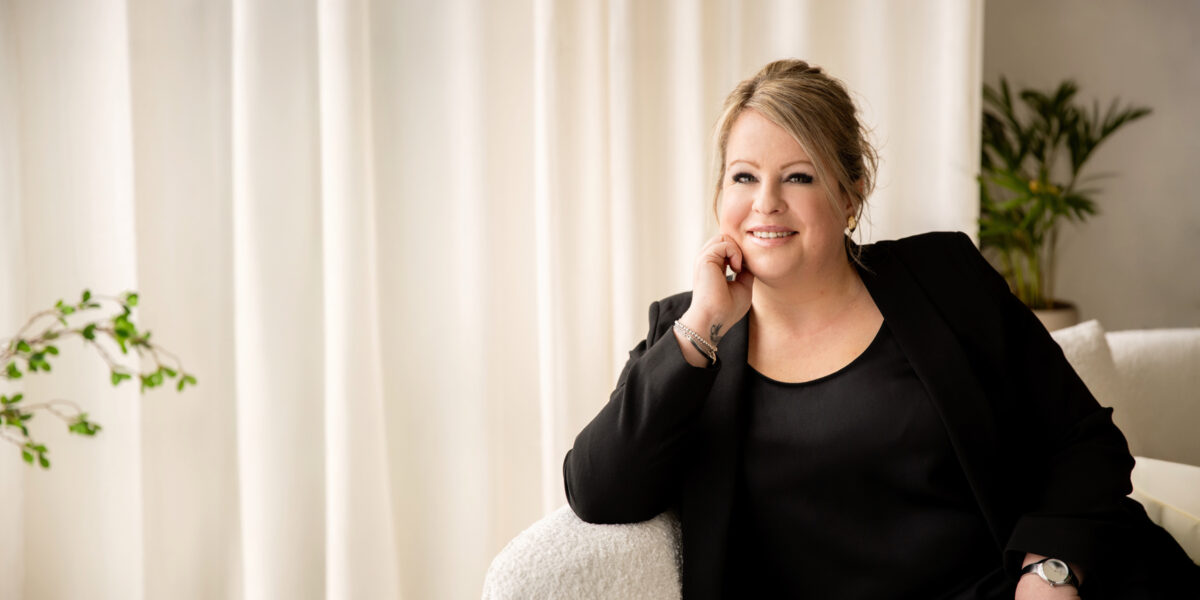
Sharon Livermore founded Domestic Abuse Education after surviving domestic abuse herself.
While her employer at the time was supportive, they did not have a framework or training in place to guide their response. Some colleagues knew her perpetrator. Some moments felt uncomfortable. But without education or policy guidance, crucial warning signs were missed.
She had to use annual leave to attend court hearings.
“It wasn’t like I was lying on a beach sipping a cocktail. I was reliving my worst nightmare.”
Her experience highlighted something simple but powerful. Good intentions are not enough. Employers need structure, clarity, and confidence.
Sharon’s Policy was created to give organisations exactly that.
IT DOES NOT HAVE TO BE CALLED A POLICY
Over the past five years, one common question has emerged.
“What if we cannot introduce a formal policy?”
The answer is straightforward.
It does not have to be called a policy to be effective.
Some organisations have adopted the framework as guidance. Others have used it to strengthen existing wellbeing, safeguarding, or HR policies. What matters is not the title. What matters is that there is a clear direction for managers and HR teams when a disclosure happens.
The template is reviewed annually and legally updated, meaning organisations can use it to strengthen and refresh their existing frameworks as legislation and best practice evolve.
WHY POLICY AND GUIDANCE MATTER
Domestic abuse does not stay at home. It follows people into the workplace.
More than one in ten survivors report harassment at work. Nearly half say their abuser has appeared at or near their workplace. For some, work is the only place they can safely access help.
Without guidance, managers may hesitate. They may worry about saying the wrong thing. They may treat it as a purely personal issue.
A clear framework removes that uncertainty.
Sharon’s Policy is built around four core principles:
- Recognise
- Respond
- Record
- Refer
It does not expect employers to become counsellors. It provides practical steps so that when someone speaks up, the response is safe, consistent, and informed.
BUT POLICY ALONE IS NOT ENOUGH
One of the biggest lessons from the past five years is this.
A policy on its own does not change culture.
Education and training are essential. Managers need to understand warning signs. HR teams need confidence. Senior leaders must model commitment.
When Policy, training, and leadership alignment work together, organisations move from awareness to action.
That is where real cultural change happens.
STRENGTHENING BROADER WORKPLACE FRAMEWORKS
Many organisations now use Sharon’s Policy not just as a standalone document, but as a way to strengthen:
- Wellbeing policies
- Safeguarding frameworks
- Family-friendly procedures
- Maternity and pregnancy guidance
In 2025, Protecting Every Future was launched to support employers in addressing domestic abuse during pregnancy, when risk can increase significantly. Backed by NSPCC and Refuge, this resource encourages businesses to embed domestic abuse awareness into family-friendly policies.
This integration reflects a wider shift. Domestic abuse is no longer seen as separate from employee wellbeing. It is recognised as part of it.
THE IMPACT SO FAR
Over 3,300 downloads represent more than a statistic. They represent organisations choosing to take responsibility.
They represent HR teams asking better questions.
They represent managers who feel more confident responding to disclosures.
I created Sharon’s Policy, but the greatest thanks must go to the organisations that choose to use it and turn it into meaningful action. Being able to transform my own experience into something positive that helps others has been truly incredible. I am deeply grateful to every organisation committed to making a difference because everyone deserves the right to live a life free from abuse. – Sharon Livermore MBE
In 2024, Sharon was awarded an MBE, with the creation of Sharon’s Policy cited as a key reason. The recognition reinforced a simple truth.
Workplaces have power.
They can be places of silence.
Or they can be places of safety.
FIVE YEARS ON
Five years ago, domestic abuse was rarely discussed in workplace strategy.
Today, over 3,000 businesses have taken practical steps to embed guidance into their organisations.
There is still more to do. One in four employees is affected. Many still face stigma, fear, and uncertainty when considering disclosure.
But progress is happening.
Sharon’s Policy was never about creating paperwork. It was about creating clarity, confidence, and consistency.
And most importantly, it was about ensuring that when someone finally finds the courage to speak, the workplace knows how to respond.
If you would like to download Sharon’s Policy or strengthen your existing guidance, you can access the free template here: Sharon’s Policy Download.
Or book a free 30-minute discovery call to discuss training and implementation support.